Picking the right wheels for your motorcycle really matters — it can make a big difference in both how it performs and how safe you are out on the road. I read somewhere that about half of motorcycle fans end up upgrading their wheels to get better handling (pretty interesting, right?). Good quality wheels boost stability and give you better control, which is super important whether you're out cruising daily or hitting the track. That said, with tons of options out there, it can feel kinda overwhelming to find the perfect set.
Big brands like Dunlop and Pirelli have come a long way, developing super advanced tech that makes wheels grip better and last longer. But somehow, some riders still stick with old-school designs, missing out on all those benefits. Stuff like improved grip can actually help you stop up to 20% faster — that’s a pretty huge deal when safety is on the line. So, yeah, it really pays to choose your wheels wisely.
Of course, there’s no magic formula that works for everyone. Things like weight, materials, and what kind of riding you do all come into play. While the newest models might promise top-notch performance, sometimes a tried-and-true older or niche wheel might actually fit your needs better. Honestly, thinking about your own riding style and past experiences can really help you make the right choice. At the end of the day, the right wheels don’t just make your ride smoother — they keep you safe too.

Motorcycle wheels are crucial for performance. Different wheel types offer unique benefits.
Spoked wheels, for example, are lightweight and allow for better shock absorption. They are ideal for off-road riding.
Their flexibility makes them a favorite among adventure riders. However, maintenance can be a challenge.
Cast aluminum wheels, on the other hand, are strong and durable.
They provide better handling and stability on paved roads. Their solid structure reduces the risk of damage.
Yet, they may add extra weight to the bike. This can affect speed and acceleration.
Carbon fiber wheels stand out for their lightweight design. They improve agility and are popular in racing.
However, their high cost and fragility can deter some riders. Choosing the right wheel type requires careful consideration of riding style and terrain.
Each type comes with advantages and drawbacks, making the decision process complex.
When choosing motorcycle wheels, material composition is crucial. Aluminum and steel are two primary options. Aluminum wheels are lighter. This reduces the overall weight of the motorcycle. A lighter bike improves handling and acceleration. However, aluminum can be prone to bending. This makes them less durable in certain conditions.
On the other hand, steel wheels offer greater strength. They withstand impacts and rough terrains better than aluminum. Steel wheels are also generally more affordable. However, they are heavier, which can affect performance. Riders must weigh these factors when making a decision.
Consider how often you ride and the type of terrain. Frequent long-distance rides might benefit from aluminum wheels, despite their fragility. For off-road enthusiasts, steel could be the better option. Each choice has its pros and cons. Reflecting on your riding style will lead to a better selection.
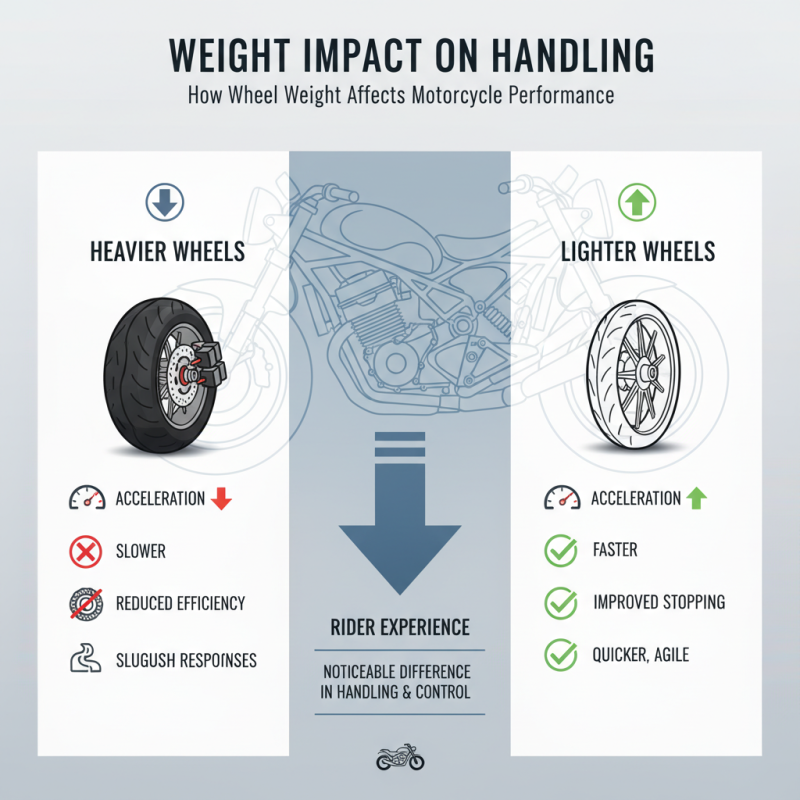
The weight of motorcycle wheels plays a crucial role in the overall handling and performance of the bike. Heavier wheels can negatively impact acceleration and braking. When a wheel weighs more, it requires additional force to change its speed. This can lead to sluggish responses in tight turns. Riders often notice the difference immediately when switching to lighter wheels.
Lightweight wheels enhance maneuverability. They allow quicker transitions during cornering. This responsiveness is particularly valuable on winding roads. However, lighter wheels may sacrifice durability. Riders must consider the trade-off between lightweight design and the strength of materials. This is not always an easy decision.
The importance of balancing weight and performance cannot be overstated. The right choice can significantly improve riding experience. But remember, not all weight reduction is beneficial. Sometimes, it may lead to a harsher ride quality or reduced stability. Reflect on your riding style and preferences. A wheel that feels perfect to one rider might be a poor match for another.
Rim width plays a crucial role when it comes to tire compatibility and stability for motorcycles. A 2019 industry report highlighted that the right rim width can enhance handling and grip. Wider rims allow for a larger contact patch with the road, improving traction and stability during cornering. This characteristic is especially significant for sports and touring bikes that demand optimal performance.
Consider the effect of rim width on tire selection. According to the Motorcycle Safety Foundation, incorrect rim widths could lead to tire distortion. A tire mounted on a too-narrow rim can wear unevenly. This not only reduces lifespan but can also lead to unsafe conditions. Proper matching ensures that the tire maintains its intended shape and performance.
Research reveals that varying rim widths can alter the bike's behavior. A wider rim might provide better cornering stability, but it can also feel less nimble at lower speeds. This trade-off is essential for riders to understand. Many are unaware that such choices can significantly affect their riding experience. It's vital to reflect on how your bike handles with different rim widths. Adjusting your setup could lead to dramatic changes in performance.
The design of motorcycle wheels plays a critical role in performance. One of the most significant aspects is tread patterns. Different designs can vastly affect grip and traction.
For instance, tires with aggressive tread patterns tend to perform well off-road. In contrast, smoother designs can enhance speed on paved surfaces. Each style serves a specific purpose, impacting handling and stability.
When choosing wheels, it's essential to understand the intended riding conditions. A wheel that excels in wet conditions may not perform as well in dry weather. Riders often overlook this detail, potentially compromising their safety. Additionally, tread depth influences how well a tire can channel water away. Shallow treads can lead to hydroplaning, especially at higher speeds. This is a critical aspect that demands attention.
Wheel construction also factors into grip and traction. Materials and design choices can affect weight distribution and shock absorption. A well-designed wheel provides better feedback during rides, enhancing the overall experience. However, not all wheels are created equal, and personal preferences vary. Moreover, neglecting regular tire maintenance can lead to unexpected performance issues. Understanding these dynamics is vital for every motorcycle rider.
When selecting wheels for motorcycles, one crucial factor is the finish. Anodized, powder-coated, and chrome options each offer distinct advantages and drawbacks. Anodized finishes provide excellent corrosion resistance. However, they can be prone to scratches. This is something to consider if you ride in rough conditions.
Powder coating is another popular choice. It creates a tough, durable finish that stands up well to impacts and abrasions. It comes in a variety of colors, allowing for personalization. But note, not all powder-coated wheels resist fading equally. Over time, some may lose their vibrant appearance, especially with constant exposure to sunlight.
Chrome wheels shine brilliantly, providing a classic look that many riders love. They can make a motorcycle look more polished and stylish. On the downside, chrome finishes require regular maintenance to keep them rust-free. If not cared for, they could lose their luster quickly. Ultimately, the choice of wheel finish impacts aesthetic appeal and durability. Reflecting on your riding environment can guide you to the best decision.
When selecting motorcycle wheels, cost analysis becomes essential. The balance between quality and price is not always straightforward. All wheels offer different performance levels, which impacts their durability and overall safety. A cheaper option might save money initially, but frequent replacements could lead to higher costs in the long run.
Tips: Consider the material of the wheels. Aluminum offers lightness while steel provides strength. Look for products that combine these elements without sacrificing performance.
Evaluate your riding style as well. Casual riders may prioritize comfort and cost, while enthusiasts often seek performance and durability. Understanding your needs can help in making smarter decisions.
Some wheels may appear attractive at first but could come with hidden challenges. Research is crucial to avoid pitfalls. Check reviews and seek advice from seasoned riders to gauge the real-life performance of specific wheels.
: Aluminum wheels are lighter, improving handling, while steel wheels are stronger and better for rough terrains.
Yes, aluminum wheels can bend more easily, making them less durable in challenging conditions.
They might prefer aluminum for lighter bikes, benefiting handling and acceleration during frequent long-distance rides.
Steel wheels offer superior strength and are more affordable, making them a good choice for off-road riding.
The finish affects both aesthetic appeal and durability, influencing choices based on riding environments and personal style.
Anodized finishes resist corrosion but can be scratched easily, especially in rough riding conditions.
While durable, not all powder coatings resist fading over time, particularly with constant sunlight exposure.
Chrome finishes need upkeep to prevent rust and maintain their shine; neglect could lead to a loss of luster.
Cheaper wheels may lead to frequent replacements, making it vital to balance quality and price for long-term value.
Riders should evaluate their riding style, comfort needs, and potential challenges to make smarter wheel decisions.
When considering wheels for motorcycles, there are several key factors that influence both performance and compatibility. This article explores the top 10 motorcycle wheel types, highlighting their performance benefits. Understanding the material composition, including the differences between aluminum and steel, is essential for making an informed decision. Additionally, the weight of the wheels plays a significant role in handling, affecting overall motorcycle performance.
Rim width is another critical aspect, as it impacts tire compatibility and stability on the road. The design of tread patterns can further influence grip and traction, ensuring rider safety and performance. The finishing options, including anodized, powder-coated, and chrome, not only contribute to aesthetics but also durability. Finally, a cost analysis is vital for balancing quality and price, helping riders select the best wheels for motorcycles that meet their performance needs without breaking the bank.