
Industrial CNC Comparison Guide
Vertical vs. Horizontal Wheel CNC Lathe: Which One Fits Your Workshop?
In the rapidly evolving automotive repair industry, choosing the right machinery to repair alloy wheels is critical for efficiency, precision, and long-term profitability. If you run a professional auto repair shop, wheel refurbishment center, or custom tuning workshop, you will inevitably face the choice of choosing a vertical wheel repair lathe vs horizontal system. Both configurations offer unique advantages in terms of mechanical design, structural stability, floor space utilization, and loading mechanics.
Understanding the core differences between these two configurations is essential. This comprehensive guide provides an in-depth wheel cnc lathe comparison, analyzing clamping mechanics, shop floor footprint requirements, and performance limitations when handling large-diameter wheels. By evaluating these key factors, you can make an informed decision that aligns with your workshop’s operational goals and budget.
Detailed Analysis: Vertical vs. Horizontal Configurations
Vertical Wheel CNC Lathe
Vertical lathes feature a spindle oriented perpendicular to the floor, meaning the wheel lies flat on a horizontal chuck. This design utilizes gravity as an advantage, holding the wheel securely in place before the chuck jaws are even tightened. It is the modern standard for dedicated wheel repair shops handling high volumes of heavy, oversized wheels.
Best For: High-volume workshops, heavy off-road wheels, and shops with limited floor space looking for quick, ergonomic setups.
Horizontal Wheel CNC Lathe
Horizontal lathes mount the wheel vertically onto a spindle that runs parallel to the ground. This is the traditional machine tool layout, widely used in general manufacturing. Operators must hold the heavy wheel vertically against the chuck face with one hand while manually operating the chuck or foot pedal with the other.
Best For: Multi-purpose engineering facilities, budget-conscious shops, and technicians who prefer traditional lathe controls.
Core Comparison Criteria: The Three Deciding Factors
To determine which machine fits your workshop, let's analyze the three most critical operational metrics: clamping convenience, physical footprint, and performance on large-diameter wheels.
1. Clamping & Setup Convenience
The ease of loading and unloading wheels directly impacts cycle times and operator fatigue. In a vertical wheel repair lathe, setup is remarkably straightforward. Gravity holds the wheel flat against the chuck face, aligning it naturally with the spindle center. The operator simply places the wheel down and secures the chuck, requiring minimal physical effort.
Conversely, a horizontal wheel repair lathe requires the operator to manually lift and hold the wheel horizontally, centering it against the chuck face while tightening. For standard 15-inch passenger wheels, this is manageable. However, for heavy 22-inch to 24-inch SUV wheels, this process is physically demanding and introduces a higher risk of misaligned clamping, resulting in runout errors during the probing phase.
2. Workshop Footprint & Spatial Efficiency
Shop floor real estate is valuable. A vertical lathe is built upwards rather than outwards. Because the spindle and drive systems are stacked vertically, the physical footprint of a vertical wheel repair lathe is significantly smaller than its horizontal counterpart. A typical vertical machine occupies roughly 1.5 to 2 square meters, making it ideal for compact workshops or mobile repair vans.
A horizontal lathe, on the other hand, extends along the Z-axis (horizontally). It requires additional clearance on both the left and right sides to accommodate the spindle motor, tailstock, and carriage travel. A horizontal unit typically requires 3 to 4 square meters of floor space, which can restrict layout flexibility in smaller facilities.
3. Machining Large-Diameter Wheels
Modern automotive trends lean toward larger wheel sizes, with many SUVs and electric vehicles rolling on 22-inch to 28-inch rims. When machining these large, heavy wheels, structural stability is paramount.
On a vertical lathe, the weight of the wheel is distributed evenly across the horizontal bed. This downward force eliminates spindle deflection, ensuring high-precision cuts even on massive 28-inch wheels. On a horizontal lathe, a heavy wheel exerts a cantilevered load on the spindle. This downward leverage can lead to microscopic spindle deflection over time, affecting surface finish quality and increasing wear on the spindle bearings.
Side-by-Side Comparison Table
A direct comparison of the technical and operational differences between vertical and horizontal wheel CNC lathes.
| Feature / Metric | Vertical Wheel CNC Lathe | Horizontal Wheel CNC Lathe |
|---|---|---|
| Loading & Unloading Speed | Fast (< 1 minute) | Moderate (2-3 minutes) |
| Operation Difficulty | Easy (Gravity assisted) | Moderate (Manual balancing required) |
| Price Difference | Mid to High Range | Budget-Friendly Entry |
| Footprint Required | Compact (approx. 1.5 - 2 m²) | Large (approx. 3 - 4 m²) |
| Large Wheel Stability (22"-28") | Excellent (No spindle deflection) | Moderate (Risk of cantilever load) |
| Spindle Bearing Wear | Low (Symmetrical load) | Higher (Asymmetrical radial load) |
About Our Engineering Heritage
Our company has been established in 2007, specializing in the research and development, production, sales and supporting services of engine modification machine tools. We are committed to providing better technology and products to global customers. We design and manufacture automotive maintenance equipment, engine overhaul machines and railway equipment according to user needs.
The main products are crankshaft grinding machines, vertical fine boring machines, valve seat boring machines, cylinder block bearing bush boring machines, cylinder block and cylinder head surface grinders, etc. These products are designed to the highest standards and employ the latest state of the art manufacturing techniques. We believe our products can help our customers increase productivity, reduce costs and improve overall efficiency.
In conclusion, we are a company dedicated to providing better technology and products to global customers. Our machinery is trusted by maintenance shops worldwide to deliver precision, durability, and value.
The Exhibitions We Have Attended
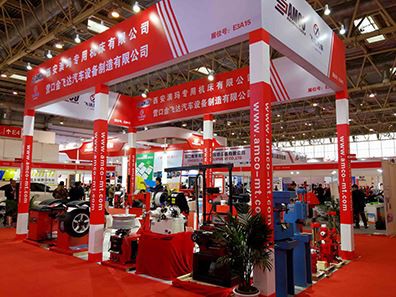
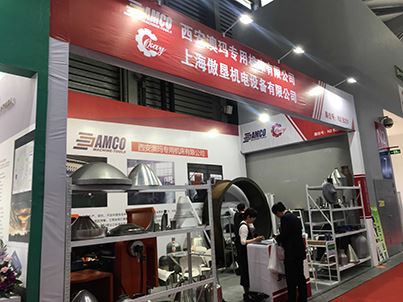
We actively showcase our latest CNC technology at major international trade shows and industrial exhibitions, connecting with global partners to improve our machinery based on real-world feedback.

Frequently Asked Questions (FAQ)
Get answers to common queries regarding vertical and horizontal wheel CNC lathe configurations.
Find the Perfect Lathe for Your Workshop
Whether you need a space-saving vertical system or a versatile horizontal setup, our engineering experts are here to help you choose the right configuration. Contact us today for a tailored quote.
Explore Our Product Range